Functional disorders of the nervous system and epilepsy
The range of services at our clinic also includes the neurosurgical treatment of functional disorders of the nervous system, such as neuralgias, pain syndromes (e.g., cluster headaches), spasticity, and movement disorders. In addition, psychosurgery should be mentioned, which treats medication-refractory psychiatric and functional disorders, such as depression or obsessive–compulsive disorder, using reversible, non-destructive interventions in the brain. A major group of functional brain disorders is epilepsy.
Functional neurosurgery encompasses a broad range of surgical options aimed at alleviating diseases without removing tissue surgically. Instead, the approach involves modulating neurological circuits and nerve functions. Our treatment concepts for functional disorders of the central nervous system are presented in more detail in the fields of Functional Neurosurgery and Epilepsy Surgery. Interdisciplinary collaboration also plays a decisive role in selecting the appropriate therapy. For this purpose, the Epilepsy Surgery Board, the Movement Disorder Board, and the Interdisciplinary Pain Conference have been established.
Typical conditions treated in functional neurosurgery include:
The treatment of neuropsychiatric disorders such as depression, obsessive–compulsive disorder (OCD) (recurrent compulsive behaviors and intrusive thoughts), and Tourette syndrome (motor and vocal tics) requires a multidisciplinary therapeutic approach consisting of psychotherapy, behavioral therapy, and pharmacological treatment with antidepressants. Affected patients are often severely limited in their daily lives, as depression and compulsions can dominate their behavior.
Tremor, Parkinson’s disease, and dystonia (involuntary, sustained contractions of skeletal muscles) belong to the extrapyramidal motor disorders of the central nervous system.
Tremor (shaking) manifests as regular, involuntary, rhythmic muscle contractions. However, it is not an independent neurosurgical functional disorder, but rather a symptom that can occur in association with other underlying conditions. The diagnosis of tremor is complex and should be made by an interdisciplinary team of neurologists and neurosurgeons.
Five main types of tremor are distinguished: Essential tremor (ET), Parkinsonian tremor (PT), Dystonic tremor (DT), Midbrain tremor, Tremor associated with multiple sclerosis (MST). For therapeutic decision-making, the tremor frequency and the distinction between resting tremor, postural tremor, and action tremor are also important.
Over time, pharmacological therapy for tremor has proven to be only moderately effective, whereas deep brain stimulation (DBS) has become an increasingly effective treatment option.
Many patients suffering from psycho-motor neurochirurgical disorders cannot be adequately helped with conventional pharmacological treatment, physiotherapy, psychotherapy, or even microsurgical interventions. In these cases, an option is electroconvulsive therapy—or more specifically, Deep Brain Stimulation (DBS).
DBS is a reversible, minimally invasive neurosurgical procedure that patients themselves can partially control. It delivers mild electrical stimulation as a treatment alternative for patients who are resistant to classical therapies. DBS is currently the only neurosurgical method that allows for ongoing therapy control.
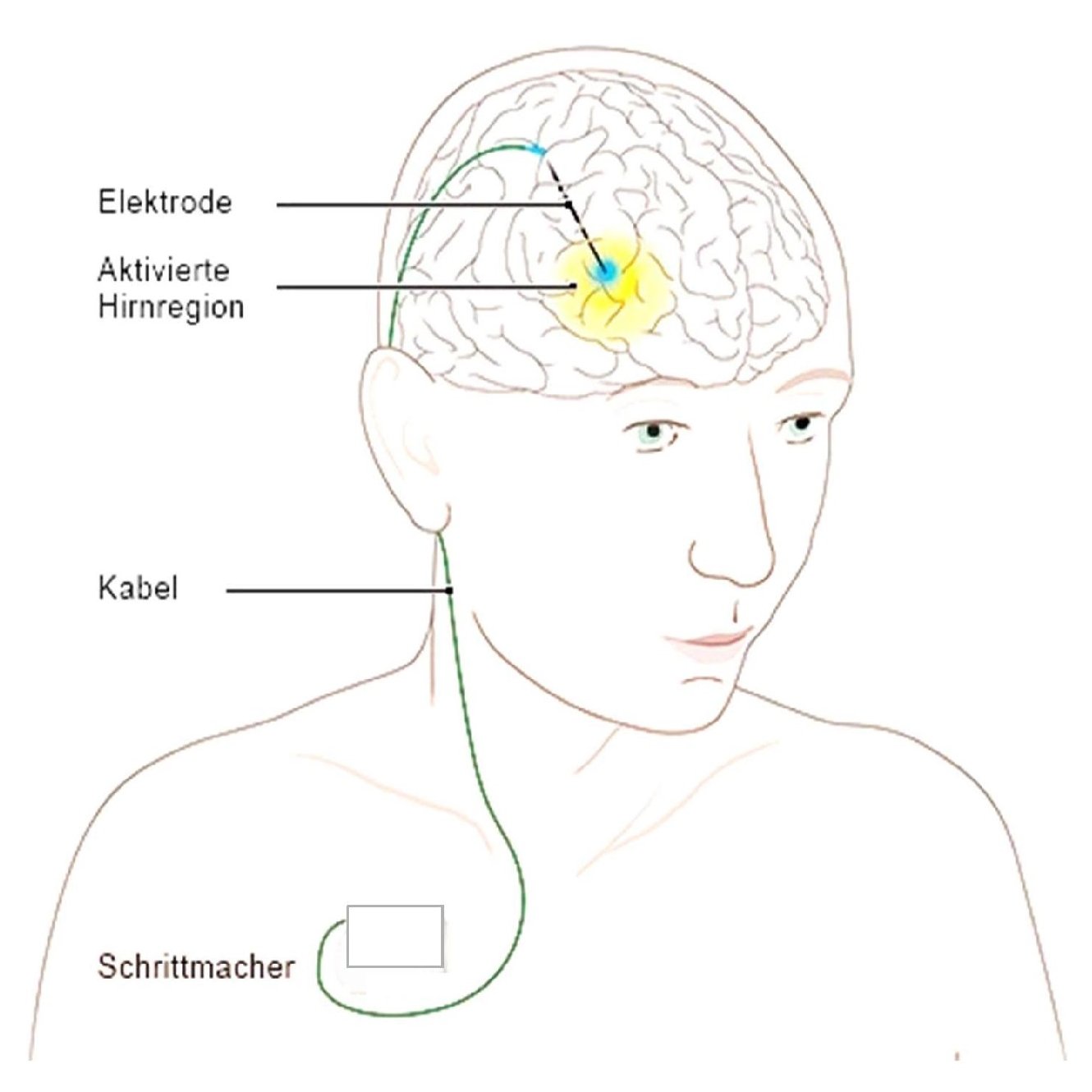
The DBS system consists of four main components:
Stereotactic electrodes – thin, flexible titanium wires with metal contacts at the tip. These are implanted in specific brain regions via a burr-hole trepanation to modulate or inhibit abnormal brain activity.
Extension cable – a thin, insulated wire running under the skin that connects the electrodes in the brain to the pulse generator (neurostimulator).
Pulse generator (neurostimulator) – allows programming of stimulation parameters. About 5 × 4 cm in size, it is implanted under the skin of the upper chest, generating the electrical impulses required for stimulation and targeting precisely selected brain areas.
Programmer device – used externally to check and adjust the neurostimulator’s settings and functions.
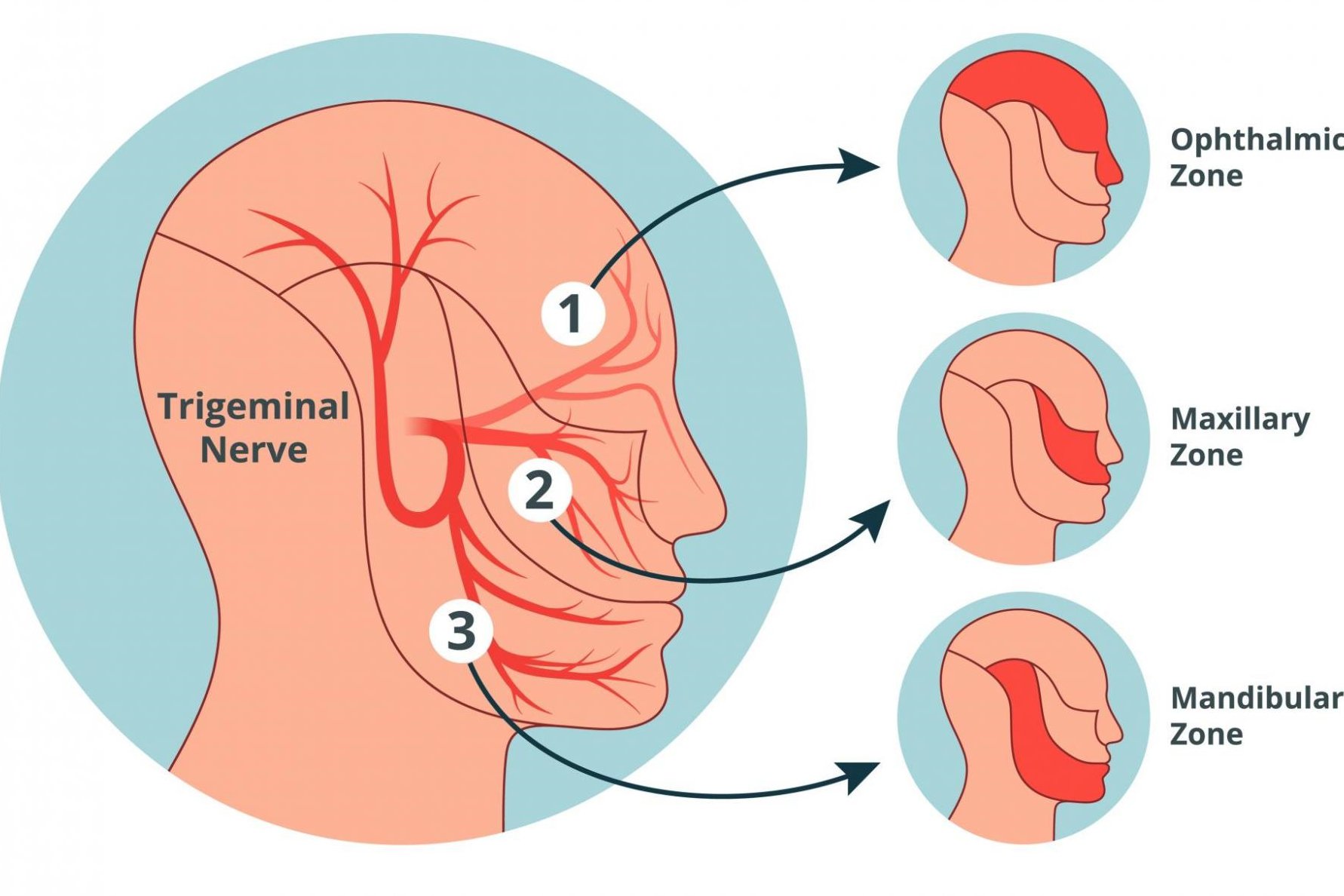
Trigeminal Neuralgia Trigeminal neuralgia is a severe facial pain caused by a dysfunction of the fifth cranial nerve (trigeminal nerve). This nerve transmits sensory information from the face to the brain and controls the muscles involved in chewing.
If conservative pharmacological treatment is unsuccessful, several invasive options are available, including: vascular microvascular decompression (Jannetta procedure), where the trigeminal nerve is surgically exposed, non-surgical balloon compression or stereotactic radiosurgery/Gamma Knife.
Migraine Migraine is characterized by typically unilateral, episodic, pulsating headaches, often accompanied by autonomic symptoms such as nausea, vomiting, and light sensitivity, lasting from several hours up to three days. Usually, migraines are successfully treated with medication. For chronic, therapy-resistant cases, functional neurosurgical treatments such as occipital nerve stimulation may be applied.
Other complex pain syndromes include post-stroke or post-spinal surgery pain, cluster headaches, phantom limb pain, and stump pain.
Hemifacial spasm is a movement disorder of the facial muscles, characterized by repeated, involuntary, unilateral contractions that are often disfiguring and painful. In most cases, the cause is vascular compression at the exit site of the facial nerve (cranial nerve VII). Mild cases can be treated conservatively with antiepileptic drugs (e.g., gabapentin or carbamazepine). For persistent spasms, Botox injections into the facial muscles can suppress contractions. Severe cases may require neurosurgical interventions, such as microvascular decompression.
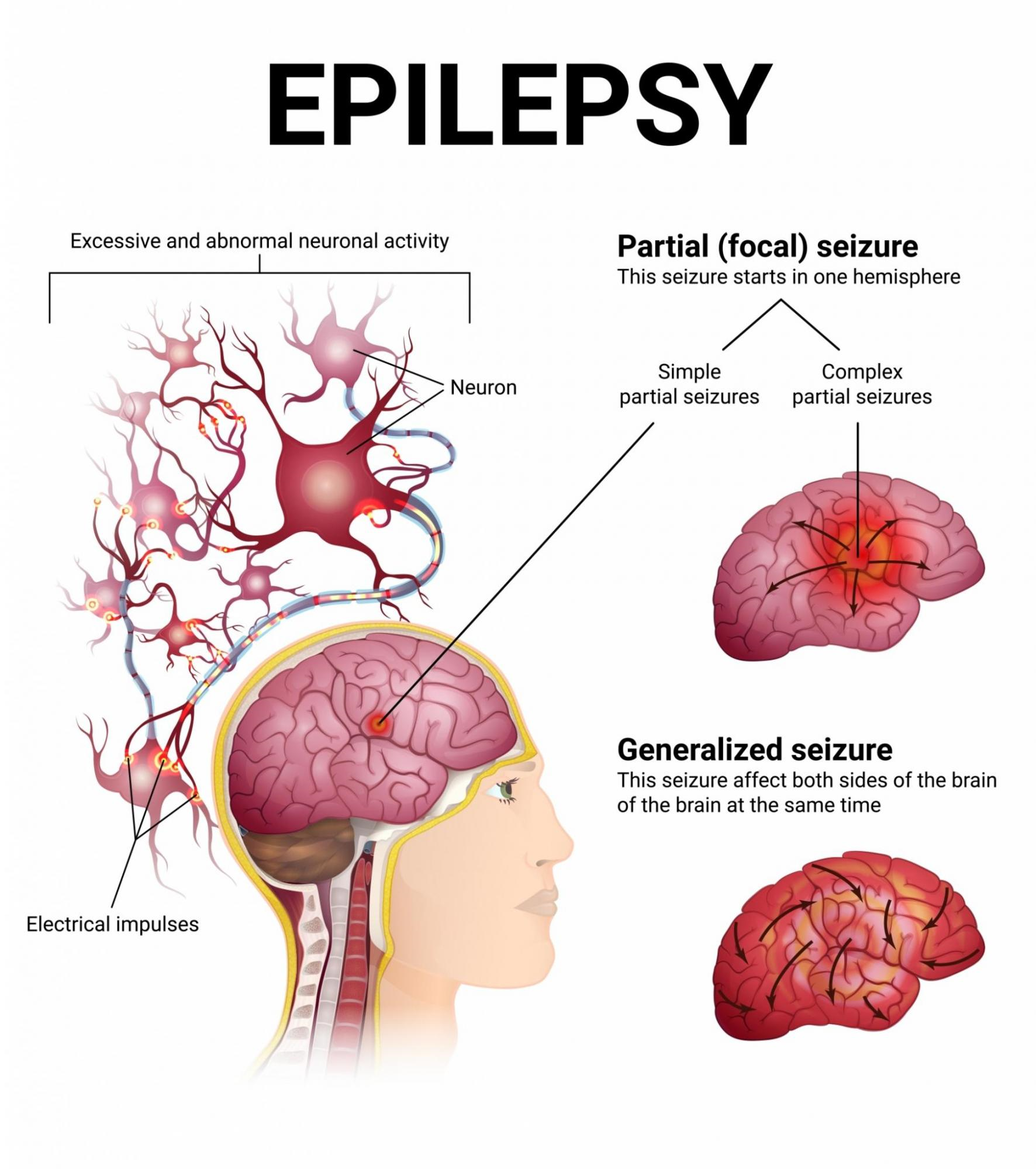
Epilepsy, one of the most common chronic disorders of the central nervous system, is characterized by excessive, synchronous electrical activity in the entire brain or in specific brain regions. This leads to temporary disruption of brain function, resulting in epileptic (seizure) events.
Many forms of epilepsy begin in childhood. Possible causes include brain malformations (focal cortical dysplasias), brain tumors, pre- or perinatal brain injuries, meningitis, or severe head trauma, although in some cases the cause remains unknown.
Epilepsies are classified as: focal epilepsies, where the seizure originates from a specific, clearly defined brain region, also called the epileptogenic focus and generalized epilepsies, where the seizure involves both hemispheres simultaneously.
A multidisciplinary team of specialists evaluates each individual case to determine the optimal treatment for each child. About two-thirds of patients can achieve seizure freedom with medication, but in roughly 30%, the epilepsy is therapy-resistant (pharmacoresistant). Depending on the cause, location, and extent of the diseased tissue, different surgical techniques may be used. These include microsurgical procedures as well as minimally invasive methods, such as robot-assisted and MRI-guided laser ablation.
Epilepsy surgery represents a highly effective treatment option and offers an additional chance of achieving seizure freedom. The earlier children are evaluated and, if appropriate, referred for surgery, the better the chances for normal brain development. One of the key prerequisites for a successful operation is the most precise possible localization of the epileptic focus. This is achieved through imaging procedures, seizure monitoring, or occasionally by the direct implantation of electrodes. During a several-hour surgical procedure, the precisely defined diseased brain tissue (the lesion) is removed or disconnected from the brain without damaging adjacent brain areas.
Due to scientific and medical-technological advances in neurosurgery, anesthesia, and intensive care medicine, epilepsy surgery has become very safe and can now be performed even in infants during the first year of life.
In addition to the targeted neurosurgical removal of epileptic foci, other treatment options include the minimally invasive implantation of vagus nerve stimulators (VNS systems) and deep brain stimulation (DBS). Vagus nerve stimulation makes it possible to successfully treat severe forms of epilepsy without direct brain surgery by stimulating the vagus nerve using a special “nerve pacemaker.”
Our goals are:
Comprehensive information for patients and their families about the disease, diagnosis, treatment, and, if necessary, follow-up care
Seizure freedom or reduction of seizure frequency
Reduction of medication use and medication-related side effects
High quality of life and support for the cognitive, motor, and social development of our patients with epilepsy
The diagnosis of hydrocephalus is most commonly made in a pediatric context, but it is also frequently seen in adult patients. It occurs due to excess accumulation of cerebrospinal fluid (CSF) and dilation of the brain’s internal or external CSF spaces, resulting in either a circulatory disturbance or a production/resorption disorder of CSF, with or without increased intracranial pressure. Hydrocephalus can be congenital or acquired.
In adults, secondary (acquired) forms of hydrocephalus are more common, typically resulting from blockages or outflow obstructions. These may occur after hemorrhages, infections, tumors, or neurosurgical procedures.
Malresorptive hydrocephalus arises from impaired CSF absorption in the arachnoid villi of the subarachnoid space. This can occur when blood enters the CSF due to subarachnoid or ventricular hemorrhage, meningitis, or tumor disease.
Occlusive hydrocephalus (hydrocephalus occlusus) is often caused by a tumor obstructing the CSF pathways or by a narrowing of the cerebral aqueduct, the channel connecting the third and fourth ventricles.
Hydrocephalus ex vacuo results from brain atrophy, either as a natural aging process or due to neurodegenerative diseases such as multiple system atrophy, Parkinson’s disease, Alzheimer’s disease, or cerebrovascular disorders. In this case, there is a passive enlargement of CSF volume, but intracranial pressure is not increased.
Normal Pressure Hydrocephalus (NPH) is a special form of hydrocephalus that primarily affects older adults (>65 years). On imaging, it is characterized by enlarged internal CSF spaces with normal or narrow external CSF spaces. The measured intracranial pressure is only temporarily elevated and is otherwise relatively normal, which gives the condition its name.
The classic symptom triad of normal pressure hydrocephalus, which closely resembles Alzheimer’s or Parkinson’s disease, is known as the Hakim triad, named after the Colombian neurosurgeon Salomon Hakim. It includes: cognitive impairment ranging from memory and concentration problems to dementia, gait disturbance, characterized by small, shuffling steps, a magnetic quality, and a broad-based stance (ataxia) and urinary incontinence.
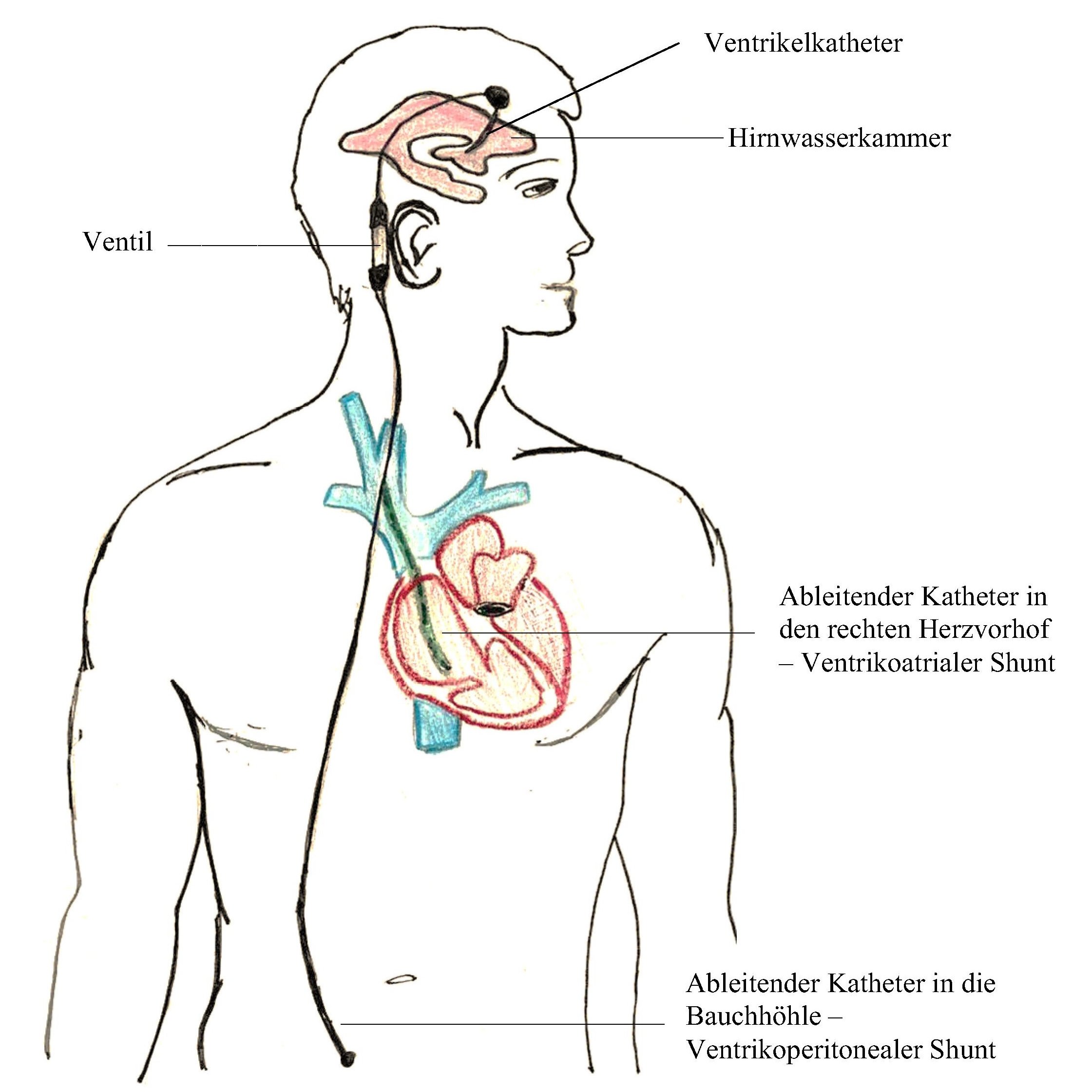
A diagnostically decisive test is the CSF drainage test (spinal tap test), in which 30–50 ml of cerebrospinal fluid is removed once or repeatedly via lumbar puncture. If this leads to improvement in neurological symptoms, surgical treatment is indicated. The therapeutic goal is permanent CSF diversion from the lateral ventricles, typically achieved neurosurgically using a ventriculoperitoneal or ventriculoatrial shunt.
From a dynamic perspective, hydrocephalus is classified as chronic or acute, the latter requiring urgent intervention.
We use cookies
We use cookies that are technically necessary for the functionality of our website, but also cookies for functional, marketing and analysis purposes to optimise the user experience on our site. With your consent to the cookies, data is processed both by us and by third-party providers, some of which are based in third countries (e.g. the USA). You can find more information about the tools and the partners in our data protection declaration, in which we also explain exactly what data transfer to the USA can mean. You can individually adjust or revoke your cookie settings at any time if you wish.
These cookies are necessary for the basic functions of the website. You can block or delete them in your browser settings, but you then run the risk that some parts of the website will not function properly.
PHPSESSID Technically necessary cookie from the web server.
storage duration: session
fe_typo_user_live Used by TYPO3 as function for user administration.
storage duration: session
Necessary to obtain consent for certain cookies and thus for the use of certain tools.
cookieUser Used to recognise the browser and its cookie history (consent or rejection of particular cookies with date und time) by an anonymised identification number.
storage duration: 1 years
fcc_cookie_consent Cookie Consent
storage duration: 1 years
fcc_cookie_consent_minified Cookie Consent
storage duration: 1 years
cookie_matomo Cookie Consent
storage duration: 1 years
To track users on your website(s) or app(s), the default Matomo Tracking code in JavaScript uses 1st party cookies, which are set on the domain of your website.
pk_ses short lived cookies used to temporarily store data for the visit
storage duration: 30 minutes
pk_id used to store a few details about the user such as the unique visitor ID
storage duration: 13 months