Neurosurgical disorders in children and adolescents can differ significantly from those in adults. As a result, pediatric neurosurgery has increasingly developed as a distinct subspecialty within the field of neurosurgery.
For optimal care of our young patients, we work closely with physicians and specialists from various medical disciplines, with children being pre- and postoperatively cared for in the University Department of Pediatrics and Adolescent Medicine.
Multidisciplinary Pediatric Boards play a key role in this process. Our shared goal is to provide individualized, comprehensive therapy for each child or adolescent. At our clinic, pediatric neurosurgery combines all neurosurgical operative experience and techniques with a special focus on child-specific neurosurgical needs.
The most common conditions treated in pediatric neurosurgery include:
Arachnoid cysts (leptomeningeal cysts) are fluid-filled cavities within the membranes of the arachnoid mater (the soft membrane covering the brain and spinal cord), filled with cerebrospinal fluid (CSF). They are usually benign and congenital, forming during embryonic development due to a splitting of the arachnoid membrane. Rarely, arachnoid cysts can also develop as a result of traumatic brain injury.
Arachnoid cysts typically cause no symptoms, are often discovered incidentally, and do not require treatment unless they exert pressure on other brain structures, causing headaches, seizures, developmental delays in children, or neurological and cognitive deficits.
In such cases, intracranial cysts (arachnoid or colloid cysts) may be treated surgically. Using endoscopic cyst fenestration, a minimally invasive, gentle, and effective procedure, the cyst wall is opened through a small burr hole in the skull under neuronavigation guidance, creating a connection between the cyst and the CSF spaces.
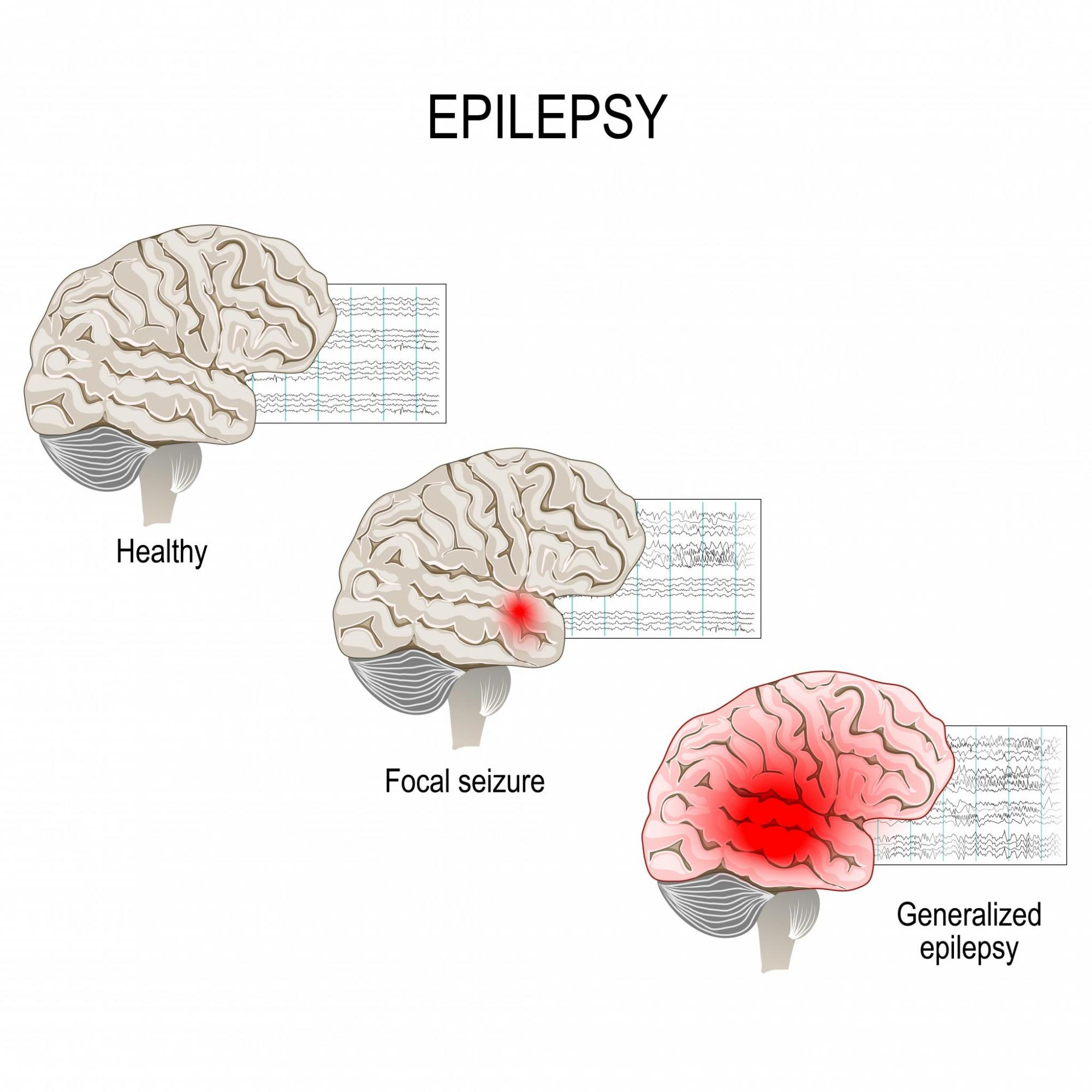
Epilepsy, one of the most common chronic disorders of the central nervous system, is characterized by excessive, synchronous electrical activity in the entire brain or in specific brain regions. This leads to temporary disruption of brain function, resulting in epileptic (seizure) events.
Many forms of epilepsy begin in childhood. Possible causes include brain malformations (focal cortical dysplasias), brain tumors, pre- or perinatal brain injuries, meningitis, or severe head trauma, although in some cases the cause remains unknown.
Epilepsies are classified as: focal epilepsies, where the seizure originates from a specific, clearly defined brain region, also called the epileptogenic focus and generalized epilepsies, where the seizure involves both hemispheres simultaneously.
A multidisciplinary team of specialists evaluates each individual case to determine the optimal treatment for each child. About two-thirds of patients can achieve seizure freedom with medication, but in roughly 30%, the epilepsy is therapy-resistant (pharmacoresistant). Depending on the cause, location, and extent of the diseased tissue, different surgical techniques may be used. These include microsurgical procedures as well as minimally invasive methods, such as robot-assisted and MRI-guided laser ablation.
Epilepsy surgery represents a highly effective treatment option and offers an additional chance of achieving seizure freedom. The earlier children are evaluated and, if appropriate, referred for surgery, the better the chances for normal brain development. One of the key prerequisites for a successful operation is the most precise possible localization of the epileptic focus. This is achieved through imaging procedures, seizure monitoring, or occasionally by the direct implantation of electrodes. During a several-hour surgical procedure, the precisely defined diseased brain tissue (the lesion) is removed or disconnected from the brain without damaging adjacent brain areas.
Due to scientific and medical-technological advances in neurosurgery, anesthesia, and intensive care medicine, epilepsy surgery has become very safe and can now be performed even in infants during the first year of life.
In addition to the targeted neurosurgical removal of epileptic foci, other treatment options include the minimally invasive implantation of vagus nerve stimulators (VNS systems) and deep brain stimulation (DBS). Vagus nerve stimulation makes it possible to successfully treat severe forms of epilepsy without direct brain surgery by stimulating the vagus nerve using a special “nerve pacemaker.”
Our goals are:
Comprehensive information for patients and their families about the disease, diagnosis, treatment, and, if necessary, follow-up care
Seizure freedom or reduction of seizure frequency
Reduction of medication use and medication-related side effects
High quality of life and support for the cognitive, motor, and social development of our patients with epilepsy
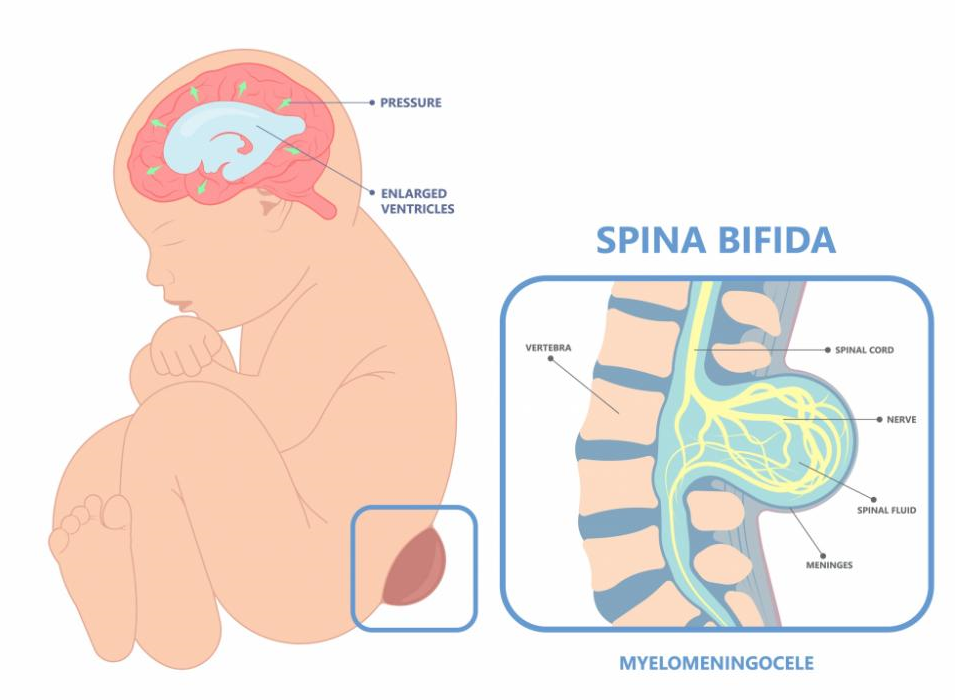
Hydrocephalus, also known as “water on the brain,” develops when excess cerebrospinal fluid (CSF) accumulates in the cavities of the brain (ventricles) and/or in the subarachnoid space between the two meningeal layers, the pia mater and the arachnoid mater. CSF is continuously produced to cleanse and nourish the brain and spinal cord and normally flows away and is absorbed into the bloodstream. Congenital malformations, spina bifida, brain hemorrhages, or brain tumors can obstruct this outflow. As a result, pressure increases in the ventricles, compressing the brain. Because the skull bones of infants have not yet fused, the increased pressure can cause significant enlargement of the head and developmental delays.
The diagnosis can be made prenatally during ultrasound examinations or postnatally using computed tomography (CT), ultrasound, or magnetic resonance imaging (MRI).
To reduce pressure and relieve the brain, the CSF is surgically diverted using a plastic tube called a shunt, which is placed into the brain ventricles and drains the fluid into the abdominal cavity, where it is absorbed. Some children may no longer require the shunt as they grow older; however, due to the risk of bleeding or injury, it is usually not removed. In some children, a ventriculostomy is performed. In this procedure, an opening is created between a ventricle and the subarachnoid space in the brain, allowing the excess fluid to drain and be absorbed.
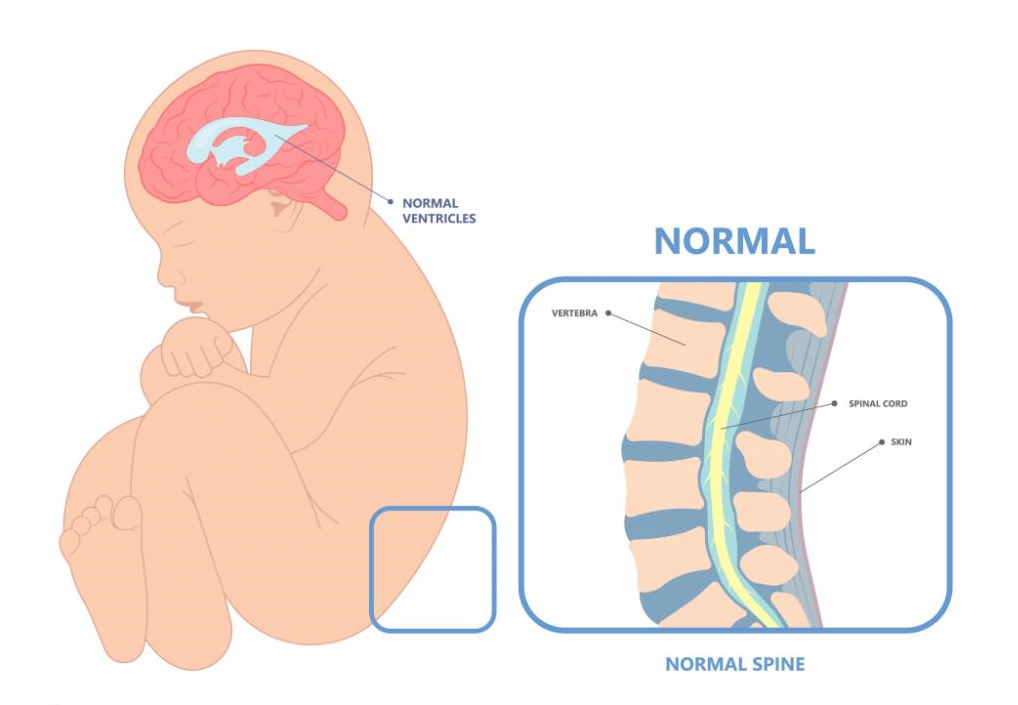
Spina bifida (“open spine”) is a congenital malformation of the spine and spinal cord that develops during the 3rd to 4th week of pregnancy.
The consequences of spina bifida can range from mild walking impairments to paralysis (paraplegia) as well as cognitive and functional disorders. A common and serious complication is hydrocephalus.
As a consequence of spina bifida, cerebrospinal fluid can accumulate in the ventricular system of the brain, leading to a dangerous increase in intracranial pressure. Through prenatal diagnostics, including ultrasound examinations as well as amniotic fluid and blood tests, spina bifida can often be diagnosed before birth. Immediately after birth, the open areas of the spinal cord must be closed using microsurgical techniques.
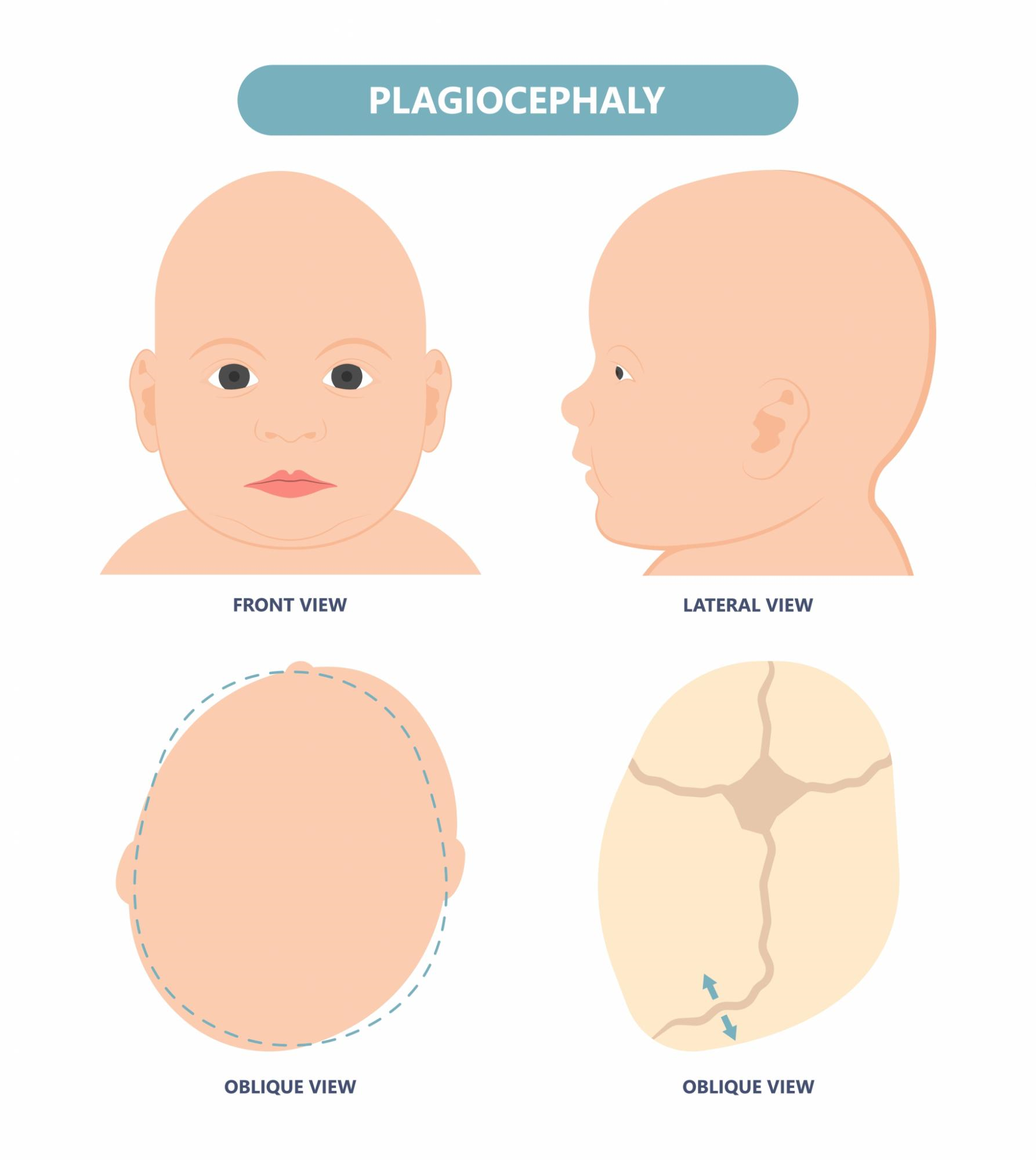
Craniosynostosis is a congenital malformation of the skull caused by the premature fusion of one or more cranial sutures (the growth zones of the skull), which may begin prenatally in the unborn child. This leads to disturbed skull growth and results in skull deformities and asymmetries. These changes can cause cosmetic and psychosocial problems, as well as developmental disorders of varying severity.
Rare syndromic craniosynostoses occur as part of genetic disorders. The most common syndromes associated with craniosynostosis that have been identified in recent decades include Apert syndrome, Crouzon syndrome, Muenke syndrome, Pfeiffer syndrome, Saethre–Chotzen syndrome, and Turner syndrome.
The rarer non-syndromic craniosynostoses are actually more common overall and are classified according to the main cranial sutures (Latin: sutura) involved and the resulting skull deformities:
Scaphocephaly or dolichocephaly (“boat-shaped skull,” long skull): premature closure of the sagittal suture (sutura sagittalis).
Trigonocephaly (“triangular skull”): premature closure of the metopic suture (sutura metopica).
Frontal plagiocephaly (anterior asymmetrical skull): premature unilateral closure of the coronal suture (sutura coronalis).
Occipital plagiocephaly (posterior asymmetrical skull): often position-related, and only rarely caused by premature unilateral closure of the lambdoid suture (sutura lambdoidea).
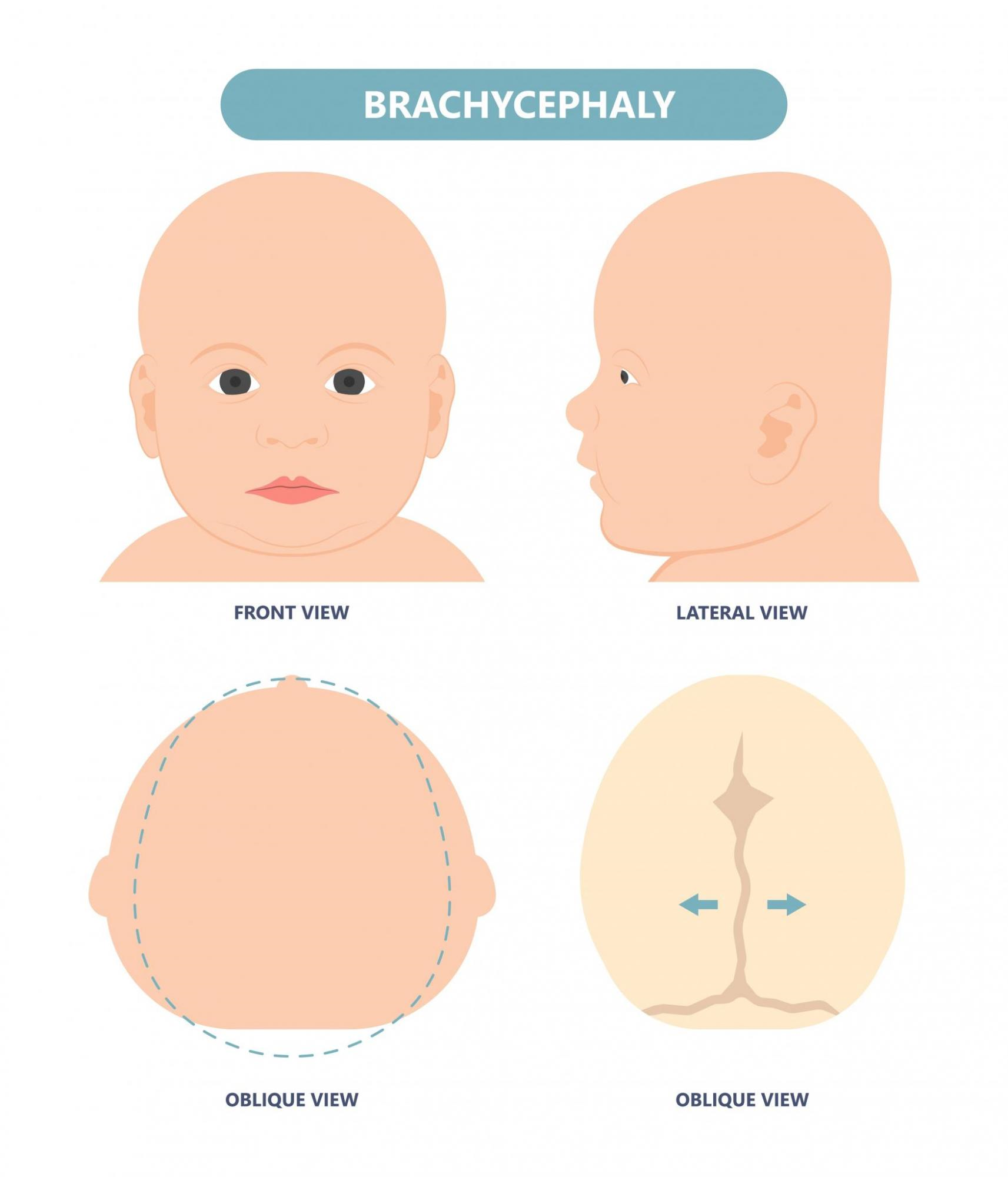
Brachycephaly (“short skull,” Greek brachys = short): premature bilateral closure of the coronal sutures (sutura coronalis), often associated with syndromic forms. The skull initially becomes shorter, and as a compensatory mechanism it grows upward, resulting in turricephaly (“tower skull”).
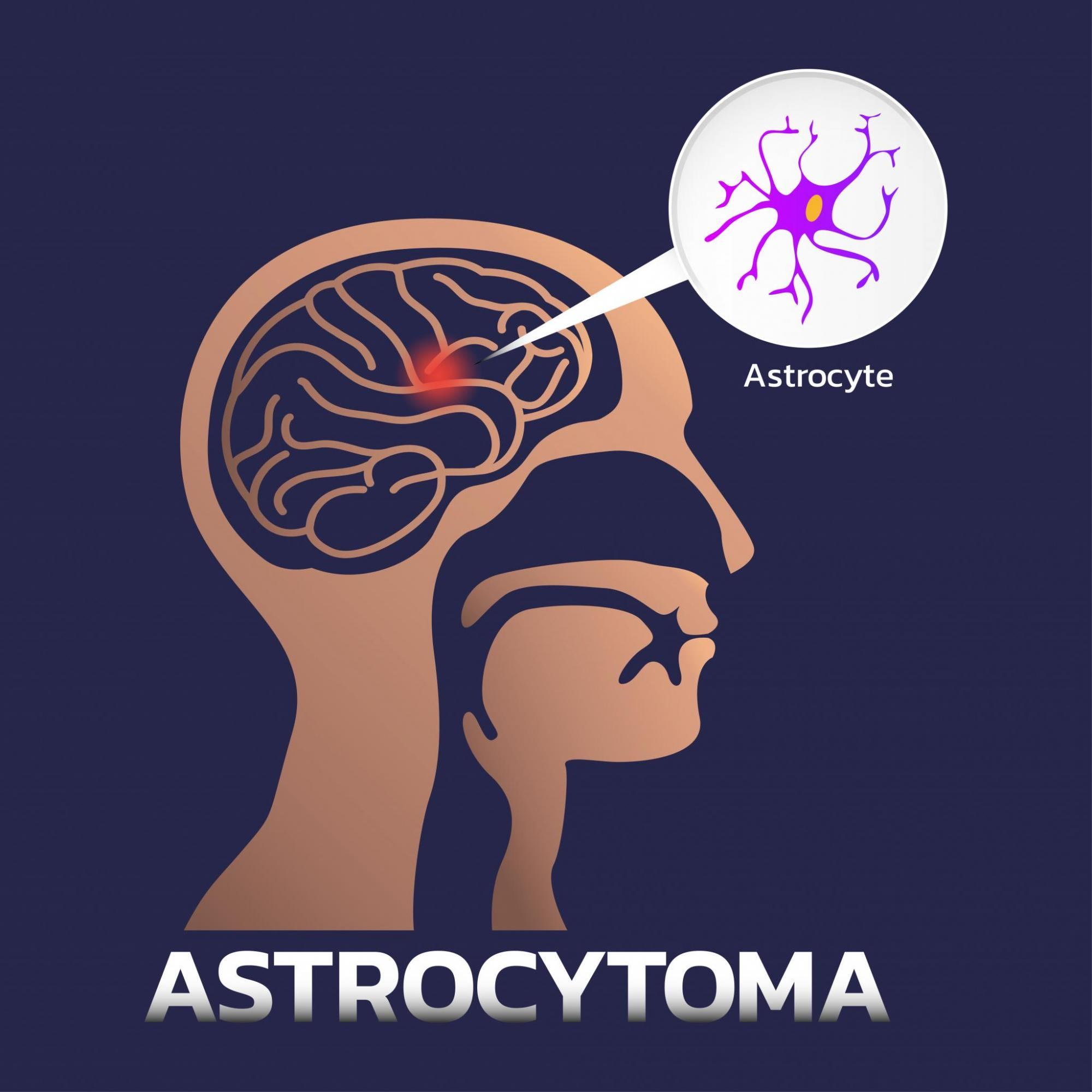
Among the most common tumors in children are brain tumors, particularly benign pilocytic astrocytomas, which can often be cured through complete surgical resection.
Medulloblastoma is the most common malignant tumor of the central nervous system in children. It grows rapidly toward the cerebellar tissue and can form metastases along the cerebrospinal fluid pathways (CSF spaces). In such cases, treatment consists of complete surgical resection followed by chemotherapy and radiation therapy.
Other tumors that should be mentioned include ependymomas, which are typically found in the posterior cranial fossa and grow slowly, as well as craniopharyngiomas, which develop in the middle cranial fossa.
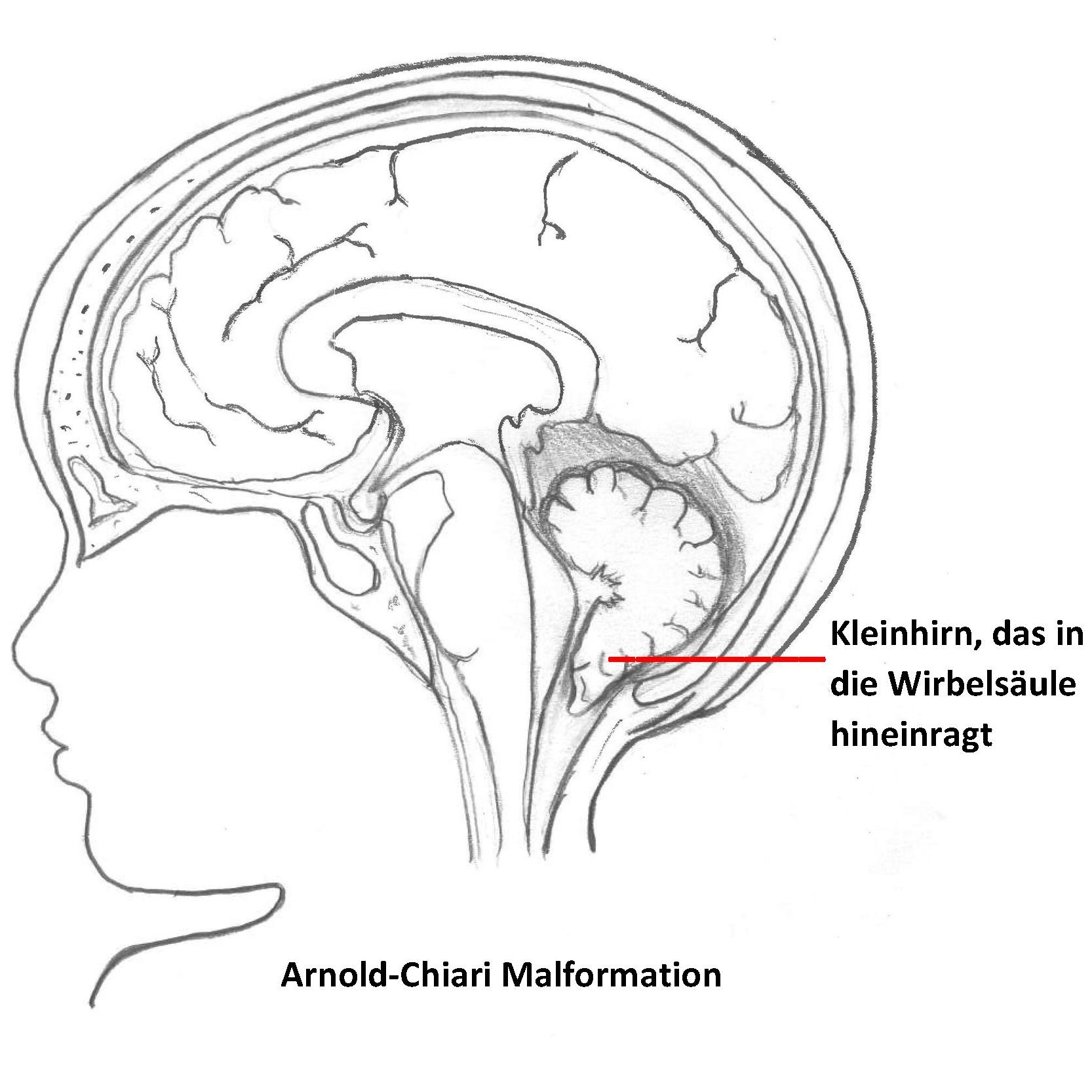
The Arnold–Chiari malformation (named after the Austrian pathologist Hans von Chiari and the German pathologist Julius Arnold) is, in most cases, an embryonic developmental disorder that arises during the 6th–10th week of pregnancy. However, it can also develop postnatally or even in adulthood as a consequence of conditions such as hydrocephalus, tumors, microcephaly, craniosynostosis, or cerebrospinal fluid loss syndrome.
In Arnold–Chiari malformation, a bony malformation of the posterior cranial fossa occurs, causing parts of the cerebellum (the cerebellar tonsils) to be displaced downward through the foramen magnum into the spinal canal.
The diagnosis of Arnold–Chiari malformation is made using magnetic resonance imaging (MRI); when bony structural abnormalities are suspected, computed tomography (CT) is additionally performed.
Due to the different clinical manifestations, Arnold–Chiari malformation is classified into Types I, II, III, and IV.
In Type I Arnold–Chiari malformation, decompression of the posterior cranial fossa via craniectomy is indicated. During this procedure, the cerebellar tonsils are resected, the cisterna magna (the space between the cerebellum and the medulla oblongata) and the cerebrospinal fluid pathways are restored, and bony malformations of the skull are corrected.
In Type II, the first step is usually a surgical procedure in which a ventriculoperitoneal shunt is placed to create an outflow pathway for the accumulated cerebrospinal fluid.
Decompression procedures for Types II, III, and especially IV carry significant risks and are therefore indicated only in exceptional cases.
We use cookies that are technically necessary for the functionality of our website, but also cookies for functional, marketing and analysis purposes to optimise the user experience on our site. With your consent to the cookies, data is processed both by us and by third-party providers, some of which are based in third countries (e.g. the USA). You can find more information about the tools and the partners in our data protection declaration, in which we also explain exactly what data transfer to the USA can mean. You can individually adjust or revoke your cookie settings at any time if you wish.
These cookies are necessary for the basic functions of the website. You can block or delete them in your browser settings, but you then run the risk that some parts of the website will not function properly.
PHPSESSID Technically necessary cookie from the web server.
storage duration: session
fe_typo_user_live Used by TYPO3 as function for user administration.
storage duration: session
Necessary to obtain consent for certain cookies and thus for the use of certain tools.
cookieUser Used to recognise the browser and its cookie history (consent or rejection of particular cookies with date und time) by an anonymised identification number.
storage duration: 1 years
fcc_cookie_consent Cookie Consent
storage duration: 1 years
fcc_cookie_consent_minified Cookie Consent
storage duration: 1 years
cookie_matomo Cookie Consent
storage duration: 1 years
To track users on your website(s) or app(s), the default Matomo Tracking code in JavaScript uses 1st party cookies, which are set on the domain of your website.
pk_ses short lived cookies used to temporarily store data for the visit
storage duration: 30 minutes
pk_id used to store a few details about the user such as the unique visitor ID
storage duration: 13 months