
Skip to main content Deutsch

Neurosurgical vascular disorders

Cerebrovascular diseases are disorders of the blood vessels in the brain and spinal cord, with aneurysms being the most common, followed by cavernomas (cavernous hemangiomas), angiomas (arteriovenous malformations, AVMs), and arteriovenous fistulas (AVFs). These conditions, which form the clinical focus of vascular/endovascular neurosurgery, can cause intracerebral hemorrhages and may become life-threatening.

At our clinic, affected patients are discussed in an interdisciplinary Vascular Board to determine optimal management.

The most common neurosurgical vascular disorders include:
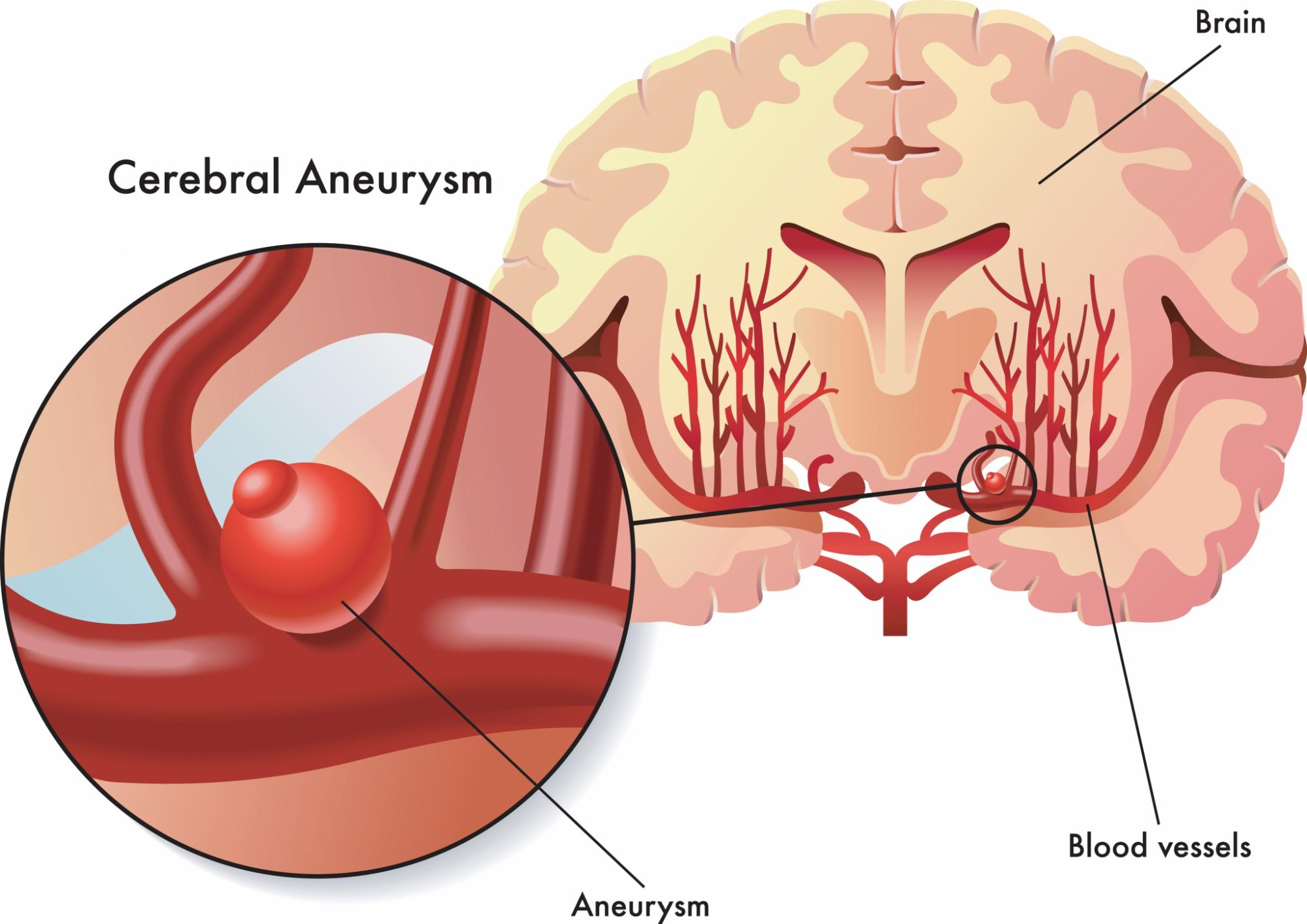
© rob9000/Shutterstock.com

Cerebral aneurysms are usually acquired dilations (bulges or outpouchings) of brain arteries that develop during life due to congenital weaknesses in the vessel wall and increase in size over time.

The main danger of a cerebral aneurysm is rupture, which allows blood to escape into the subarachnoid space, causing a subarachnoid hemorrhage (SAH). Therefore, treatment aims to prevent future bleeding and to completely occlude the aneurysm.

There are three main treatment approaches for aneurysms: open microsurgical procedures – e.g., clipping and wrapping, interventional endovascular techniques – e.g., coiling, stenting and flow diversion and hybrid approaches, which are a focus at the Vienna clinic, combining open surgical methods (e.g., bypass techniques) with endovascular occlusion techniques.

Cerebral angiomas are vascular malformations characterized by a network of vessels in which arteries supplying blood and veins draining blood are directly connected, creating a congenital arteriovenous shunt.

Because the veins are under high pressure, bleeding can occur, potentially damaging the surrounding brain tissue.

Cerebral angiomas can also cause epileptic seizures, neurological deficits, as well as headaches and migraines.

The goal of treatment is complete removal of the angioma from the cerebral circulation. Three treatment modalities are available, often used in combination: open microsurgical resection, endovascular occlusion using tissue glue and targeted radiation therapy using the Gamma Knife.

Cavernomas are benign vascular malformations located in the brain, consisting of irregular small vascular chambers. When located in the spinal cord, they are referred to as spinal cavernomas.

Cavernomas can cause epilepsy, headaches, and neurological deficits.

Treatment of a cavernoma depends on several factors, including location, surgical accessibility, proximity to eloquent cortical areas, symptoms, and risk of bleeding.

Surgical intervention is indicated for very large cavernomas or those causing medically refractory epilepsy or hemorrhage.

Microsurgical resection is performed under MRI-guided neuronavigation and, if needed, with the assistance of 3D ultrasound or neurophysiological monitoring.

Conservative therapy is symptom-oriented and may include rehabilitation of neurological deficits or antiepileptic treatment. For asymptomatic cerebral cavernomas, a watch-and-wait approach is generally adopted.

Dural AV fistulas are acquired vascular malformations affecting the dura mater. They consist of shunt connections between skull/meningeal arteries and draining veins, which can lead to venous congestion, hemorrhage, or impaired cerebral perfusion. Blood flows into the draining veins under high arterial pressure, overloading them and potentially causing rupture.

Treatment depends on the type and extent of the fistula and is carried out surgically or endovascularly, similar to the approach used for cerebral angiomas.